Capsound

Capsound is a customizable keyboard platform that allows users to design, assemble, and upgrade their own keyboards. Instead of purchasing a fixed, pre-built product, customers can select individual components—cases, keycaps, switches, and PCBs—to create a setup tailored to their preferences. By focusing on modularity, reusability, and recycling, Capsound promotes a circular economy model that reduces waste and extends the lifespan of every keyboard.
Most keyboards on the market are mass-produced with fixed designs, limiting personalisation and often forcing users to compromise on aesthetics, feel, or ergonomics. When a single component breaks or becomes outdated, the entire keyboard is often discarded, generating unnecessary waste. Enthusiasts who wish to build their own keyboards face fragmented sourcing, higher costs, and a lack of beginner-friendly guidance. A unified, sustainable, and accessible solution was needed.
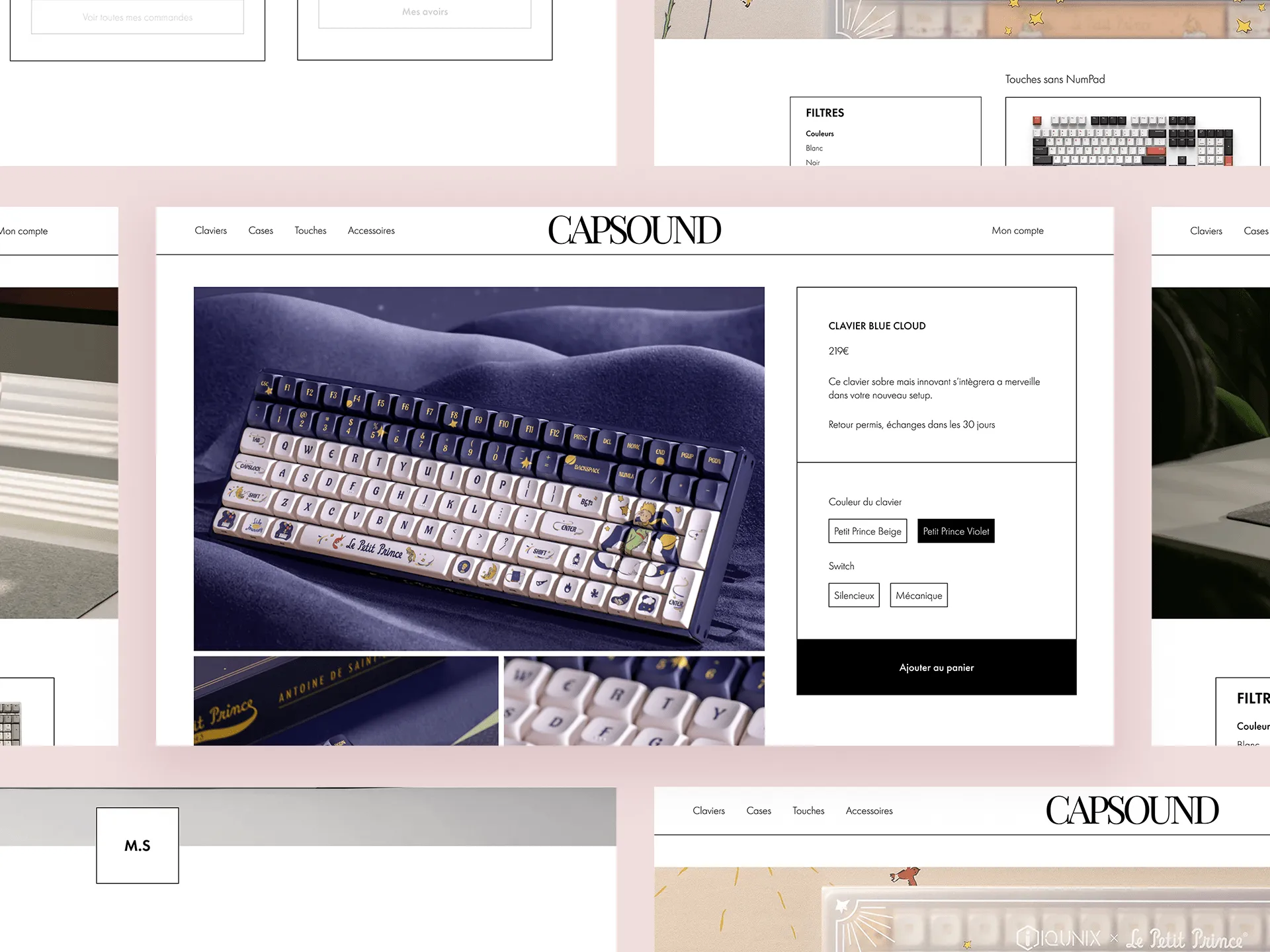
Capsound offers a centralised shop where users can purchase compatible keyboard components individually or as part of curated build kits. The platform’s modular system enables customers to repair, upgrade, or fully redesign their keyboards without replacing the entire product. By integrating recycling programs for old parts and offering educational resources for first-time builders, Capsound makes mechanical keyboard customisation both sustainable and accessible. This approach reduces material waste while empowering users to create a product that reflects their exact needs and style.
2 months
2024
Capsound is a streamlined, customization‑first shop. A component configurator lets users mix cases, switches, keycaps, and PCBs with real‑time visuals and compatibility cues. “Reuse & Recycle” prompts suggest upgrades and trade‑ins, while clear hierarchy, modular cards, and step‑by‑step guidance keep the flow simple. High‑res renders and interactive previews make designs tangible, blending the excitement of personalization with practical, sustainable shopping.
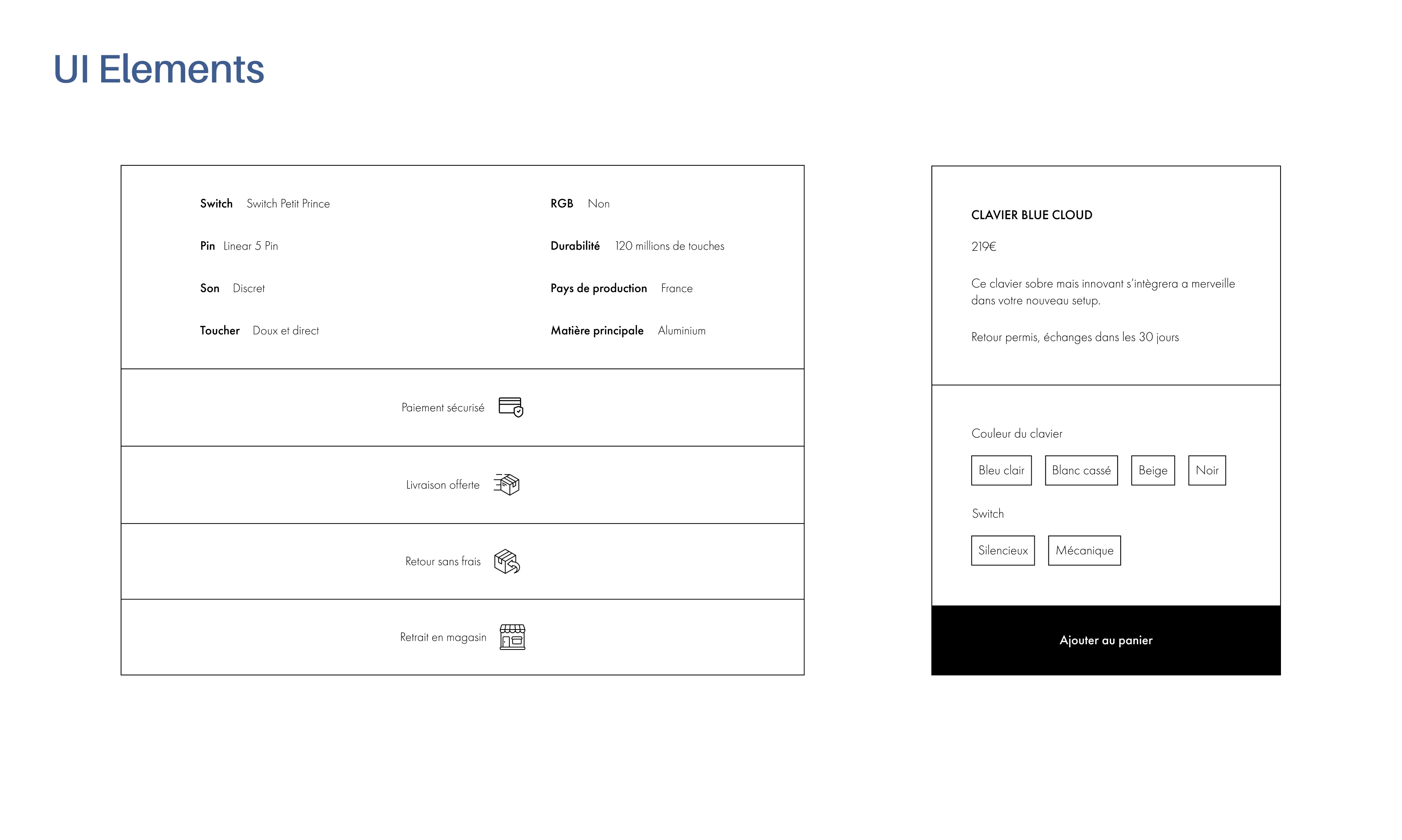
Capsound’s UI elements are done not just for clarity, but for long-term user retention and sustained engagement. Buttons, input fields, cards, and navigation components use clear affordances and responsive feedback to reduce friction, lowering the cognitive load. By adhering to consistent sizing, spacing, and state patterns (default, hover, active, disabled), the interface builds predictability and trust, two factors proven to improve return-usage.
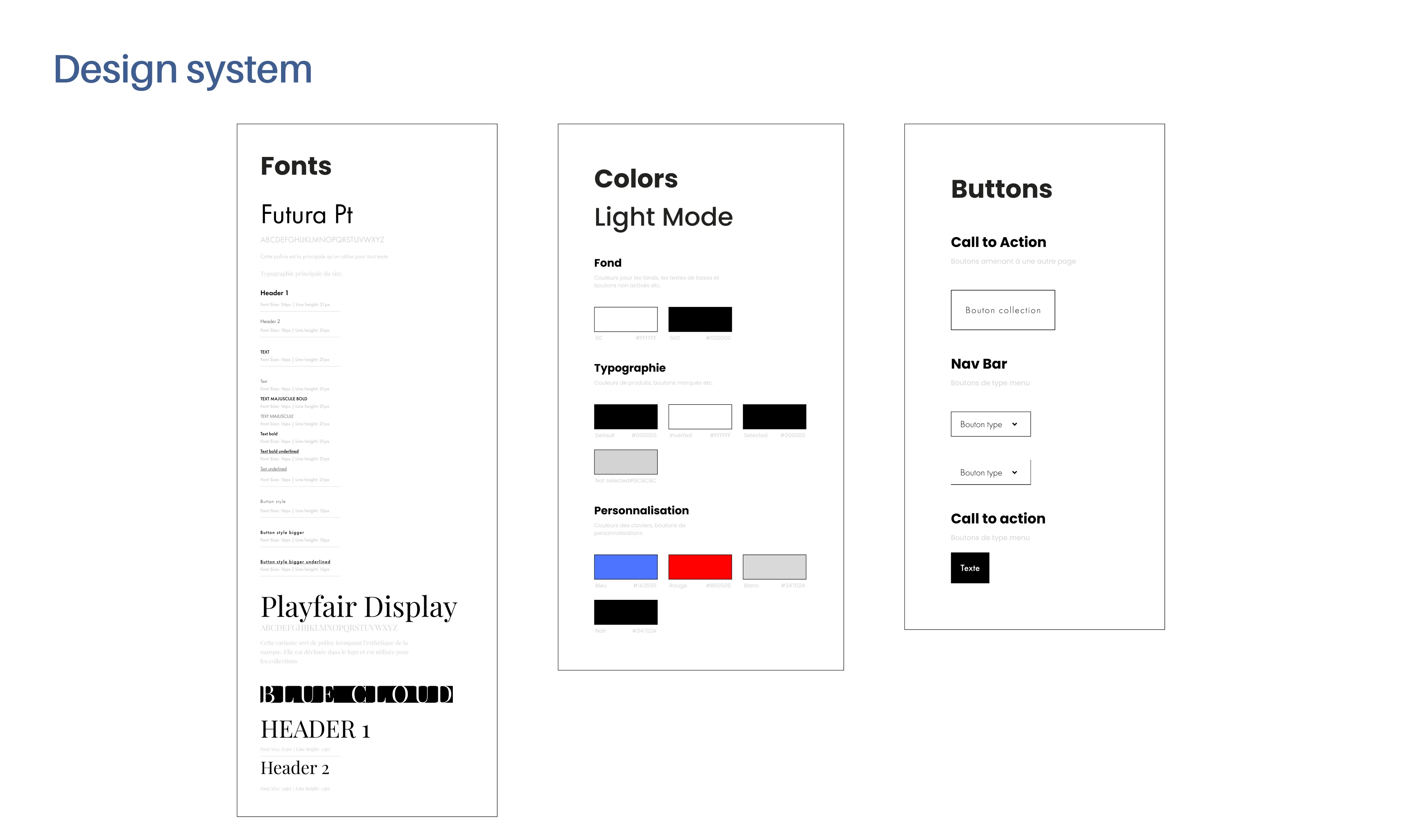
The Capsound design system establishes a cohesive visual language built on consistency, modularity, and scalability. It defines a color palette that balances brand identity with accessibility, typography scales that ensure readability across devices. Enabling rapid iteration for the user was a crucial focus point while creating the design system.
Project conceived and realized with Tifenn Seveon at the University of Strasbourg.